
In addition to the savings inherent in workflow design, the direct material costs are also extremely competitive, even compared directly to any competing single-pathogen assay kits.
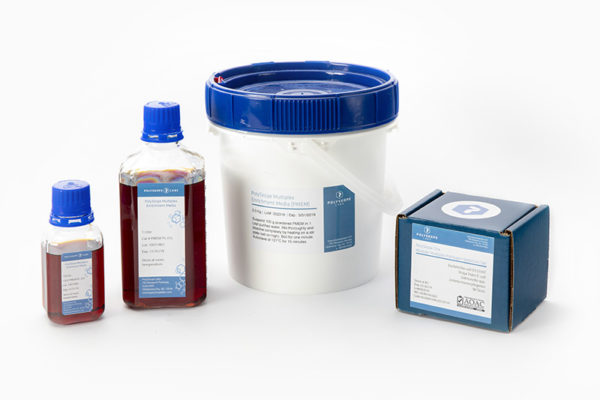
Polyskope One
PolySkope’s single protocol and shared enrichment medium also reduce the environmental impact of pathogen testing by eliminating two-thirds of plastic disposables required to test, and by reducing the energy consumed by multiple incubators at different temperatures. High-throughput labs adopting PolySkope kits can expect up to 0.74 metric ton reductions in plastic waste and 0.61 metric ton reductions in CO2 generated annually, per facility (100 samples daily).


PolySkope One is the first ever AOAC-approved, USDA-listed, true multiplex method for the simultaneous detection of any or all common/routine foodborne pathogens including: E. coli O157:H7, Shiga Toxin E. coli, Salmonella spp., and Listeria monocytogenes (Listeria spp. target set also available).
PolySkope is designed to simplify and reduce the cost of pathogen testing using our revolutionary novel enrichment medium (PMEM) combined with tried-and-true qPCR chemistry, a proven commodity in food safety & clinical testing. PolySkope One is a flexible and modular multiplex; routine pathogens are detected individually or simultaneously (user selectable) with one enrichment and protocol.
All other food pathogen test kits require unique and separate enrichment media, different incubation temperatures, and unique plastics & reagents for each pathogen.
The PolySkope One multiplex results in a multi-fold simplification of workflow complexity and logistics, along with a reduction of of: lab footprint, labor, training, regulatory burden, error rate, material cost of testing, plastics & disposable waste, energy consumption, and more.